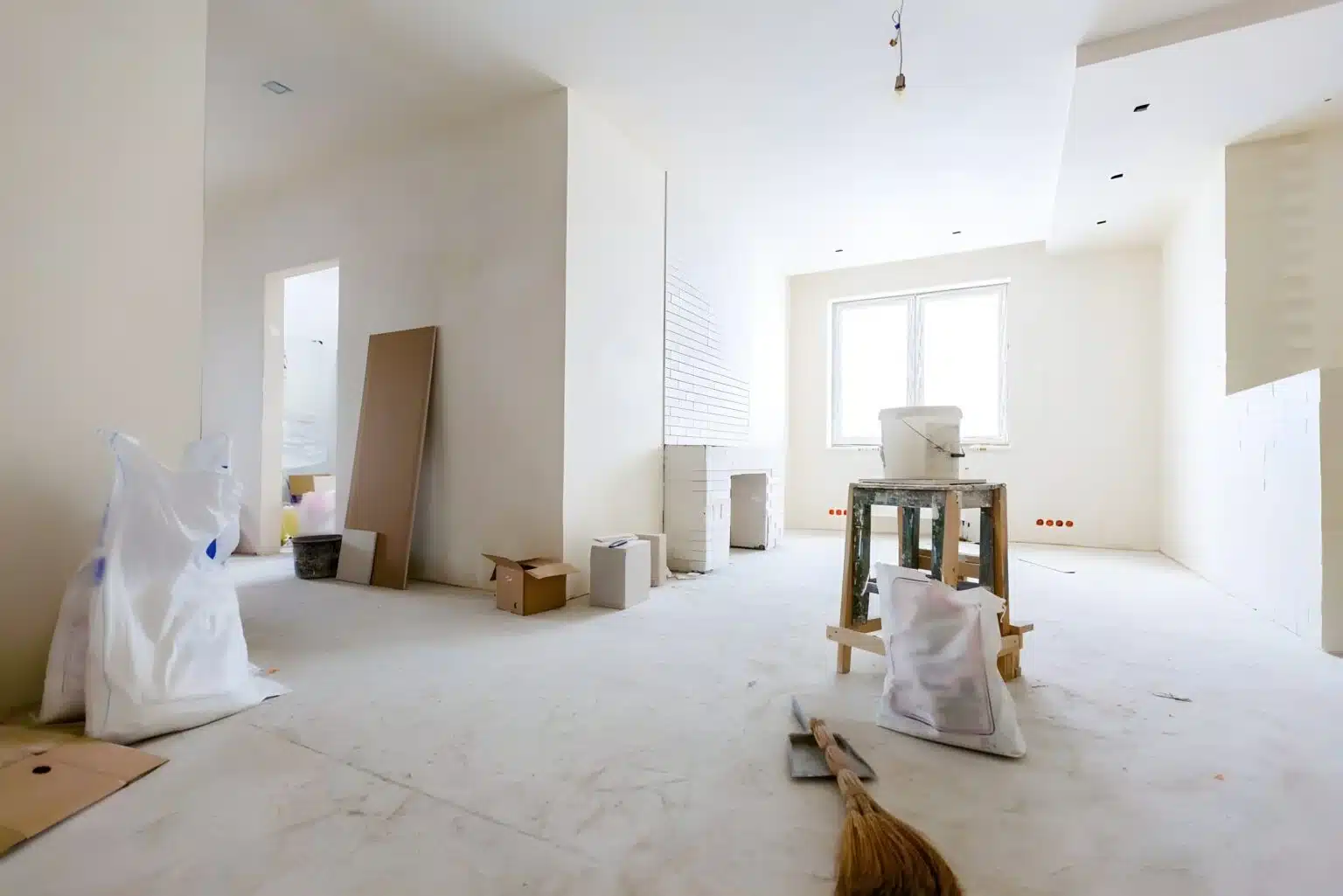
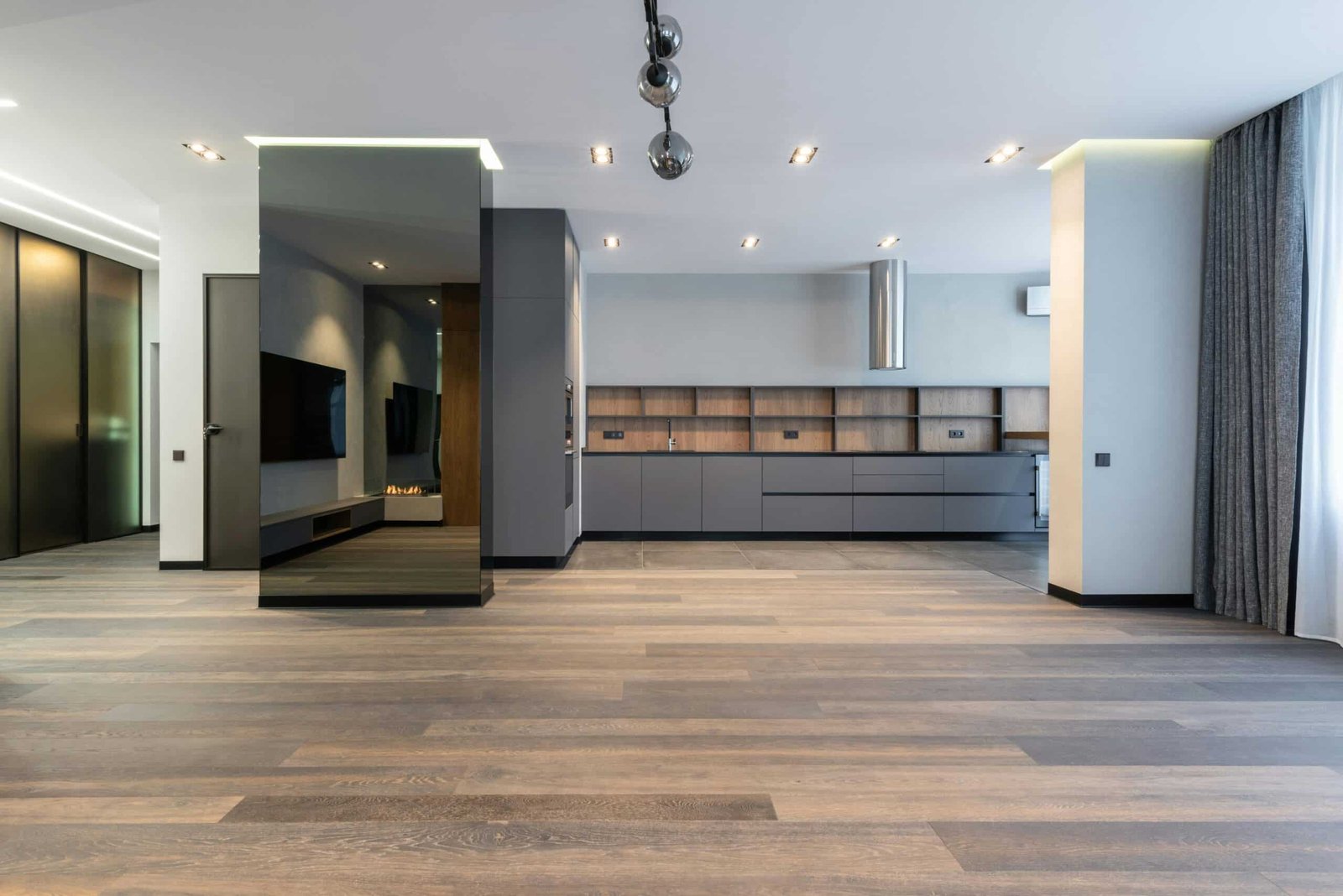
If you’re planning a home renovation, knowing what to do first can save time, money, and frustration. Many projects run into delays because work is completed out of order or important planning steps are skipped. Understanding when remodeling a house comes first helps you create a realistic timeline, avoid unnecessary rework, and make informed decisions before construction begins.
Whether you’re updating one room or renovating your entire home, following the proper order of remodeling a house keeps the project organized from planning through the final walkthrough.
Before You Start
Every successful renovation begins long before demolition. Planning the project, setting a budget, and hiring the right professionals will make the rest of the renovation process much smoother.
Define Your Remodeling Goals
Start by identifying what you want to accomplish. Your goals will influence your budget, timeline, and the professionals you’ll need to hire.
Ask yourself:
- Which rooms need to be renovated?
- Are you improving functionality, updating the home’s appearance, or increasing resale value?
- Do you need structural changes or cosmetic updates?
- Which improvements are priorities?
Having clear goals also helps prevent costly changes once construction is underway.
Set a Realistic Budget
Your budget should include more than construction costs. It’s important to account for every part of the project, including expenses that may come up after demolition begins.
Consider costs such as:
- Design or architectural services
- Permits
- Labor
- Materials
- Appliances and fixtures
- Temporary housing if needed
- A contingency fund for unexpected repairs
Older homes often reveal hidden issues like water damage, outdated wiring, or plumbing problems that should be addressed before the renovation continues.
Hire the Right Remodeling Team
The size of your project will determine who should be involved.
Depending on the scope, you may need:
- A general contractor
- An architect
- A designer
- Electricians
- Plumbers
- HVAC specialists
Hiring experienced professionals early helps establish a realistic timeline and reduces the risk of scheduling conflicts during construction.
Create a Detailed Remodeling Plan
Before any work begins, finalize as many design decisions as possible.
This includes selecting:
- Flooring
- Cabinets
- Countertops
- Paint colors
- Lighting
- Plumbing fixtures
- Appliances
Ordering materials ahead of time helps avoid delays caused by products that have long manufacturing or shipping times.
Secure Permits and Approvals
Many remodeling projects require permits before construction can begin.
Permit requirements often apply to:
- Structural modifications
- Electrical work
- Plumbing changes
- Room additions
- Major renovations
Obtaining the necessary approvals before construction starts helps prevent delays and ensures the work meets local building codes.
Demolition Comes Before Building
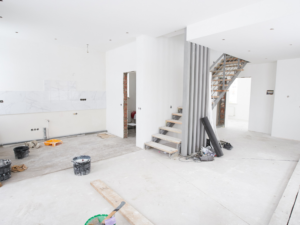
After planning is complete, demolition is usually the first stage of remodeling a house.
During demolition, contractors remove existing materials that will be replaced, including:
- Cabinets
- Flooring
- Drywall
- Fixtures
- Countertops
- Appliances
- Non-load-bearing walls
This phase also allows contractors to inspect areas that were previously hidden.
It’s common to discover issues such as:
- Water damage
- Mold
- Termite damage
- Outdated electrical wiring
- Plumbing leaks
- Structural deterioration
Finding these problems early allows repairs to be completed before new materials are installed.
Complete Structural and Mechanical Work First
Once demolition is complete, contractors move on to the work behind the walls. This stage should always be finished before drywall, flooring, or other finish materials are installed.
Structural Changes
If your renovation changes the home’s layout, structural work comes first.
This may include:
- Framing new walls
- Removing walls
- Installing support beams
- Enlarging doorways
- Replacing windows and exterior doors
Completing structural work first provides the framework for the rest of the renovation.
Plumbing
Plumbing updates should be completed before walls are closed.
This may involve:
- Moving water lines
- Relocating drains
- Installing new plumbing for kitchens or bathrooms
- Adding laundry connections
Making plumbing changes after drywall is installed usually means opening finished walls and increasing labor costs.
Electrical
Electrical rough-ins are completed before insulation and drywall.
Common upgrades include:
- Additional outlets
- New lighting locations
- Dedicated appliance circuits
- Electrical panel upgrades
- Smart home wiring
Completing electrical work early allows inspections to take place before construction moves forward.
HVAC
Heating and cooling systems are also updated during this phase.
Work may include:
- Installing or relocating ductwork
- Adding vents
- Improving ventilation
- Replacing HVAC equipment
These upgrades are much easier to complete before drywall covers the walls and ceilings.
Install the Interior Finishes in the Right Order
Once inspections for structural, plumbing, electrical, and HVAC work are complete, the finish stage can begin.
Following the correct order of renovating a house helps prevent damage to newly installed materials.
Insulation and Drywall
Insulation is installed first, followed by drywall.
Contractors then:
- Tape drywall seams
- Apply joint compound
- Sand the walls
- Prepare surfaces for paint
Painting
Painting usually comes before many finish installations.
Completing this step early reduces the chance of paint ending up on finished flooring, trim, or cabinets.
Flooring
Flooring is often installed after painting and before many final fixtures.
Depending on the project, flooring may include:
- Hardwood
- Tile
- Luxury vinyl plank
- Laminate
- Engineered wood
The exact timing depends on the flooring material and the contractor’s installation process.
Trim and Interior Doors
After flooring is complete, contractors install:
- Baseboards
- Door casings
- Window trim
- Crown molding
- Interior doors
Installing trim after flooring creates cleaner transitions and a more finished appearance.
Cabinets and Countertops
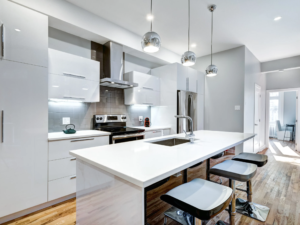
Kitchen and bathroom cabinets are installed before countertops.
Once the cabinets are secured and level, countertop measurements can be finalized for a precise fit.
Fixtures, Tile, and Appliances
The final installation stage typically includes:
- Kitchen backsplashes
- Shower tile
- Faucets
- Toilets
- Light fixtures
- Appliances
- Cabinet hardware
- Door hardware
These installations prepare the home for final inspections and occupancy.
Finish with Inspections, Punch Lists, and Final Details
Construction may be complete, but there are still a few important steps before the project is finished.
Final Inspections
If permits were required, local inspectors will verify that the completed work meets building code requirements.
Once inspections are approved, the project can move to the final walkthrough.
Complete the Punch List
A punch list identifies small items that need correction before the project is officially complete.
Common punch list items include:
- Paint touch-ups
- Minor drywall repairs
- Cabinet adjustments
- Loose hardware
- Caulking repairs
Addressing these details ensures everything functions properly before the project is closed.
Deep Cleaning
Construction leaves behind dust and debris throughout the home.
A thorough post-construction cleaning removes dust from floors, cabinets, fixtures, vents, and other surfaces so the home is ready to use.
Why Choose JSM Custom Remodels
Following the correct order of remodeling a house helps reduce delays, avoid unnecessary expenses, and keep the project moving efficiently. Planning each phase before construction begins also makes it easier to stay on schedule and avoid redoing completed work.
At JSM Custom Remodels, we guide homeowners through every stage of the renovation process, from planning and design to construction and finishing details. Whether you’re remodeling a kitchen, updating a bathroom, renovating an apartment, or completing a full-home remodel, our team delivers quality craftsmanship and clear communication throughout the project.
If you’re planning a home renovation, contact JSM Custom Remodels to discuss your goals and learn how we can help bring your project to life.