Summary: Home remodeling is exciting, but the timeline uncertainty is what stresses most homeowners out. Discover how JSM Custom Remodels delivers predictable, professional results in Manhattan, NY. This guide breaks down realistic home remodel timelines by project type, what causes delays, and how to plan around the phases that most people don’t realize take time.
One contractor says “a few weeks,” another says “a few months,” and suddenly you’re wondering if you’re about to live in a construction zone for half a year. The truth is: remodel timelines are predictable when you know what type of project you’re doing, what approvals you need, and what’s happening behind the scenes before demolition even starts.
In Manhattan, NY, timelines can also shift because of building rules, co-op and condo board approvals, elevator scheduling, work-hour restrictions, and permit requirements. Even when the work itself is straightforward, the logistics around it can add weeks if they’re not planned correctly.
The Short Answer: Most Remodels Take Longer Than the “Work Days” You’re Quoted
When people ask, “How long does a home remodel take?” they usually picture the days when crews are physically on-site. But a real remodeling timeline includes: Planning and design decisions (layout, finishes, fixtures), measurements and drawings, permits and approvals (especially in Manhattan apartments), ordering materials (and waiting for them to arrive), scheduling trades in the right sequence, and inspections and close-out.
A general contractor can do amazing work and still be held up by a delayed vanity shipment, a backordered tile, or a board that only meets twice per month. That’s why the best way to estimate your timeline is to start with the project type and then add the real-world constraints.
Why Manhattan Remodel Timelines Can Be Different
A remodel in Manhattan, NY, often includes “non-construction” time that still affects your move-in date and your daily life. Common factors include: Co-op/condo board approvals (submittals, insurance requirements, deposit rules), building work hours (many buildings restrict noisy work to specific windows), elevator reservations for material deliveries and debris removal, permit requirements depend on plumbing, electrical, and structural changes, and neighbor considerations and building inspections that can’t be skipped.
Timeline Breakdown: The 5 Phases of a Home Remodel
Phase 1: Planning, Design, and Scope (1–6+ weeks): This is where you decide what you’re doing and what “done” looks like. It includes layout planning, measurements, selecting finishes, defining the scope, and budget alignment.
Phase 2: Approvals, Permits, and Scheduling (1–8+ weeks): This phase includes building management approvals, permit filings, trade scheduling, and ordering long-lead materials. The project shouldn’t begin until critical materials are confirmed.
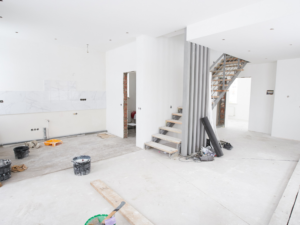
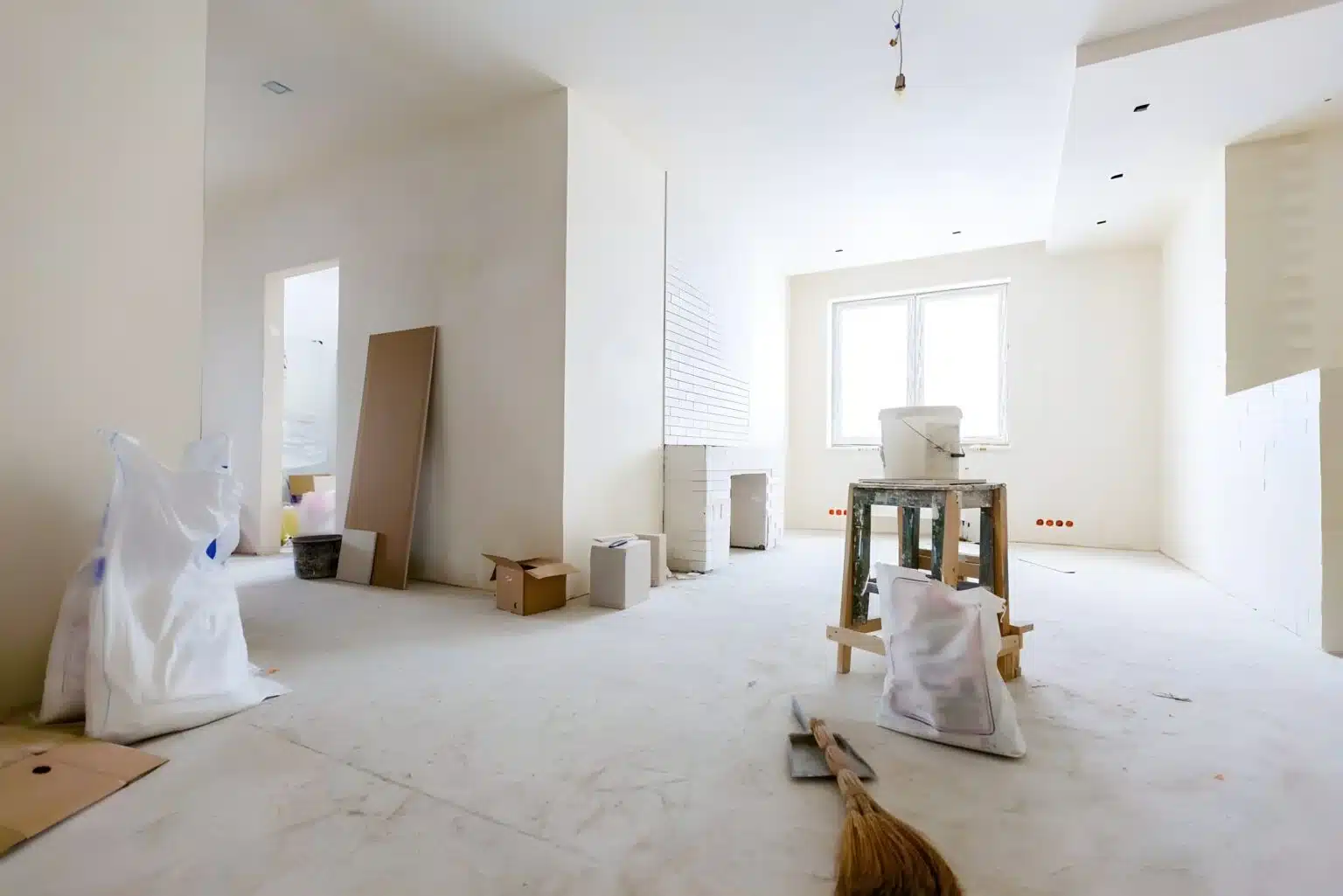
Phase 3: Demolition and Rough Work (1–4+ weeks): This is the “messy” phase. It typically includes demo of old finishes, rough plumbing and electrical, framing, and subfloor repairs. This phase can uncover surprises like hidden water damage or outdated wiring.
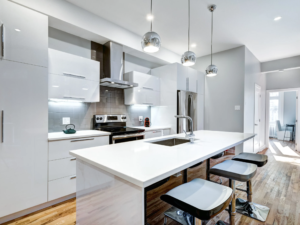
Phase 4: Build-Back and Finishes (2–10+ weeks): This is where the remodel starts looking like a home again: drywall, tile, flooring, cabinetry, painting, and fixture installation. Finishes take time because they require curing, drying, and precision.
Phase 5: Final Details, Punch List, and Close-Out (3–14 days): This phase includes final adjustments, touch-up paint, caulking, final inspections, and deep clean and handoff.
Realistic Timelines by Remodel Type (What to Expect)
Painting and Cosmetic Updates (1–3 weeks total): If you’re doing paint, light fixture swaps, and minor carpentry, the work can be quick. The timeline depends on the number of rooms and drying time.
Flooring Replacement (2–4 weeks total): Total timeline depends on material availability, subfloor leveling, and acclimation time for wood flooring.
Bathroom Remodel Timeline (6–10+ weeks total): A full bathroom remodel is detail-heavy. Proper waterproofing, tile work, and curing time are what prevent leaks and future-proof your home.
Kitchen Remodel Timeline (10–16+ weeks total): Kitchens involve multiple trades and components like cabinets (the biggest lead time) and countertop fabrication.
Open Concept Remodel / Wall Removal (12–20+ weeks total): Removing a wall expands the timeline because you may need engineering reviews, permits, and HVAC adjustments.
Whole Apartment Remodel (4–7+ months total): Includes multiple rooms, kitchen and bathroom updates, and electrical upgrades. The timeline is about sequencing and coordination.
Gut Renovation / Full Home Remodel (6–12+ months total): The most complex category, including full demo to studs and new utility runs. Planning and project management make the biggest difference here.
The Most Common Causes of Remodel Delays (And How to Avoid Them)
Materials Ordered Too Late: Cabinets or specialty tile can take weeks. How to avoid it: finalize selections early and order long-lead items before demolition.
Too Many Mid-Project Changes: Swapping sizes or moving outlets after drywall goes up adds time. How to avoid it: lock the plan, then treat changes as exceptions.
Hidden Conditions: Water damage or uneven framing in older buildings. How to avoid it: build contingency time into your schedule and budget.
Quick Checklist: How to Plan a Remodel Timeline You Can Trust
1. Decide your scope before you request a start date.
2. Confirm whether permits or board approvals are required.
3. Choose materials early (especially cabinets, tile, plumbing fixtures).
4. Ask for a written project schedule with phases.
5. Build buffer time for deliveries and punch list work.
Ready to Plan Your Remodel Timeline in Manhattan, NY?
JSM Custom Remodels helps homeowners in Manhattan, NY, understand exactly what to expect for projects from planning and approvals to build-out and the final punch list. If you want a clear, realistic schedule (and a team that can manage the details that slow most remodels down), reach out to JSM Custom Remodels to discuss your project and get a timeline you can actually plan around!