A kitchen renovation involves dozens of decisions before demolition begins. From setting a budget to choosing materials and deciding whether to change the layout, planning each step early can help prevent costly changes during construction.
If you’re wondering what to consider when renovating a kitchen, start by focusing on the decisions that will have the biggest impact on how the space functions, how long the project takes, and how much it costs.
Start with Your Goals
Before choosing cabinets, countertops, or appliances, decide what you want the renovation to accomplish.
Ask yourself:
- Is the current layout functional?
- Do you need more storage?
- Is there enough counter space?
- Are the appliances outdated?
- Do you want better lighting?
- Will this be your long-term home?
Your answers will help determine whether you need a cosmetic update or a more extensive remodel.
Build a Realistic Budget
One of the most common pieces of kitchen remodel advice is to establish your budget before selecting finishes.
Your budget should include:
- Cabinets
- Countertops
- Flooring
- Appliances
- Lighting
- Plumbing fixtures
- Labor
- Permits, if required
- A contingency fund for unexpected repairs
Older homes may reveal hidden problems after demolition begins, including water damage, outdated electrical wiring, plumbing leaks, or structural repairs. Setting aside additional funds helps prevent those discoveries from delaying the project.
Decide if the Layout Should Change
Changing the layout can improve how your kitchen functions, but it also increases the cost and complexity of the renovation.
You may want to change the layout if:
- Storage is limited.
- Counter space is lacking.
- Appliances interfere with one another.
- The room feels closed off.
- Multiple people regularly use the kitchen.
If the current layout already works well, keeping plumbing and electrical connections in place can reduce labor costs and shorten the construction timeline.
Choose Durable Materials
Countertops, flooring, and cabinets are used every day, so durability should be considered alongside appearance.
When comparing materials, think about:
- Scratch resistance
- Moisture resistance
- Stain resistance
- Cleaning requirements
- Expected lifespan
- Maintenance needs
Choosing materials that hold up to daily use often provides better long-term value than selecting products based only on appearance.
Prioritize Storage
Adding storage doesn’t always mean adding more cabinets.
Many modern kitchens make better use of existing space with features such as:
- Deep drawers for pots and pans
- Pull-out pantry shelves
- Corner cabinet organizers
- Hidden trash and recycling bins
- Appliance garages
- Vertical tray storage
- Drawer dividers
These upgrades improve organization without increasing the kitchen’s footprint.
Plan Lighting Before Construction Begins
Lighting should be planned before electrical work begins so outlets, switches, and fixture locations match the final layout.
Most kitchens benefit from combining several types of lighting, including:
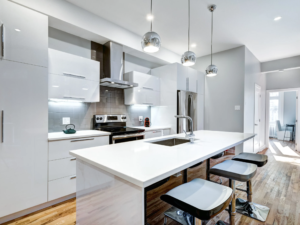
- Under-cabinet task lighting
- Pendant lights above islands
- Recessed ceiling lights
- Ambient lighting
Layering light sources improves visibility for cooking while reducing shadows across work surfaces.
Think Beyond Current Trends
Kitchen trends change every few years, but cabinets, countertops, and flooring are long-term investments.
Bold cabinet colors, decorative backsplashes, and statement hardware may reflect current trends, but replacing them later can be expensive.
If you plan to stay in your home for several years, consider choosing timeless materials for permanent features and adding personality through paint, lighting, or décor that can be updated more easily.
Common Mistakes You Should Avoid
Even well-planned renovations can become more expensive or take longer than expected when important details are overlooked.
Starting Without a Complete Plan
Changing the layout, materials, or finishes after construction begins usually increases labor costs and delays the project.
Finalize your design decisions before demolition whenever possible.
Underestimating the Budget
Many homeowners budget only for visible upgrades and overlook expenses such as permits, demolition, labor, and unexpected repairs.
Including a contingency fund helps keep the renovation moving if hidden problems are discovered.
Choosing Style Over Function
Appearance matters, but functionality should come first.
Storage, workflow, lighting, and counter space have a greater impact on how the kitchen performs every day than decorative finishes.
Ignoring Storage Needs
Standard cabinets don’t always provide the most efficient storage.
Features like pull-out shelves, deep drawers, and pantry organizers often make a bigger difference than simply adding more cabinetry.
Buying Materials Too Late
Cabinets, countertops, appliances, and specialty finishes may have lead times of several weeks or longer.
Ordering materials before demolition begins helps reduce the risk of construction delays.
Hiring Based Only on Price
The lowest estimate isn’t always the best value.
Experience, communication, scheduling, and workmanship should all be considered when choosing a contractor.
Start Your Kitchen Renovation with JSM Custom Remodels
A successful kitchen renovation starts with a clear plan. Choosing the right layout, materials, storage solutions, and contractor before construction begins can help keep the project on schedule and reduce unexpected costs.
At JSM Custom Remodels, we help homeowners plan and complete kitchen renovations that fit their needs, budget, and lifestyle. Whether you’re updating finishes, improving your kitchen’s layout, or planning a complete remodel, our team delivers quality craftsmanship and clear communication throughout every stage of the project.
Contact JSM Custom Remodels today to schedule a consultation and start planning your kitchen renovation.