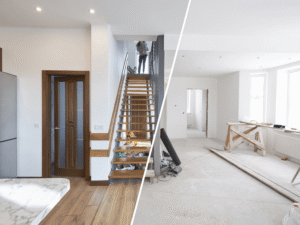
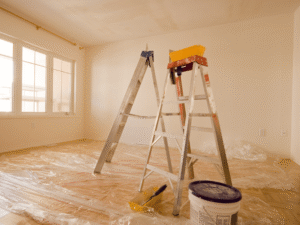
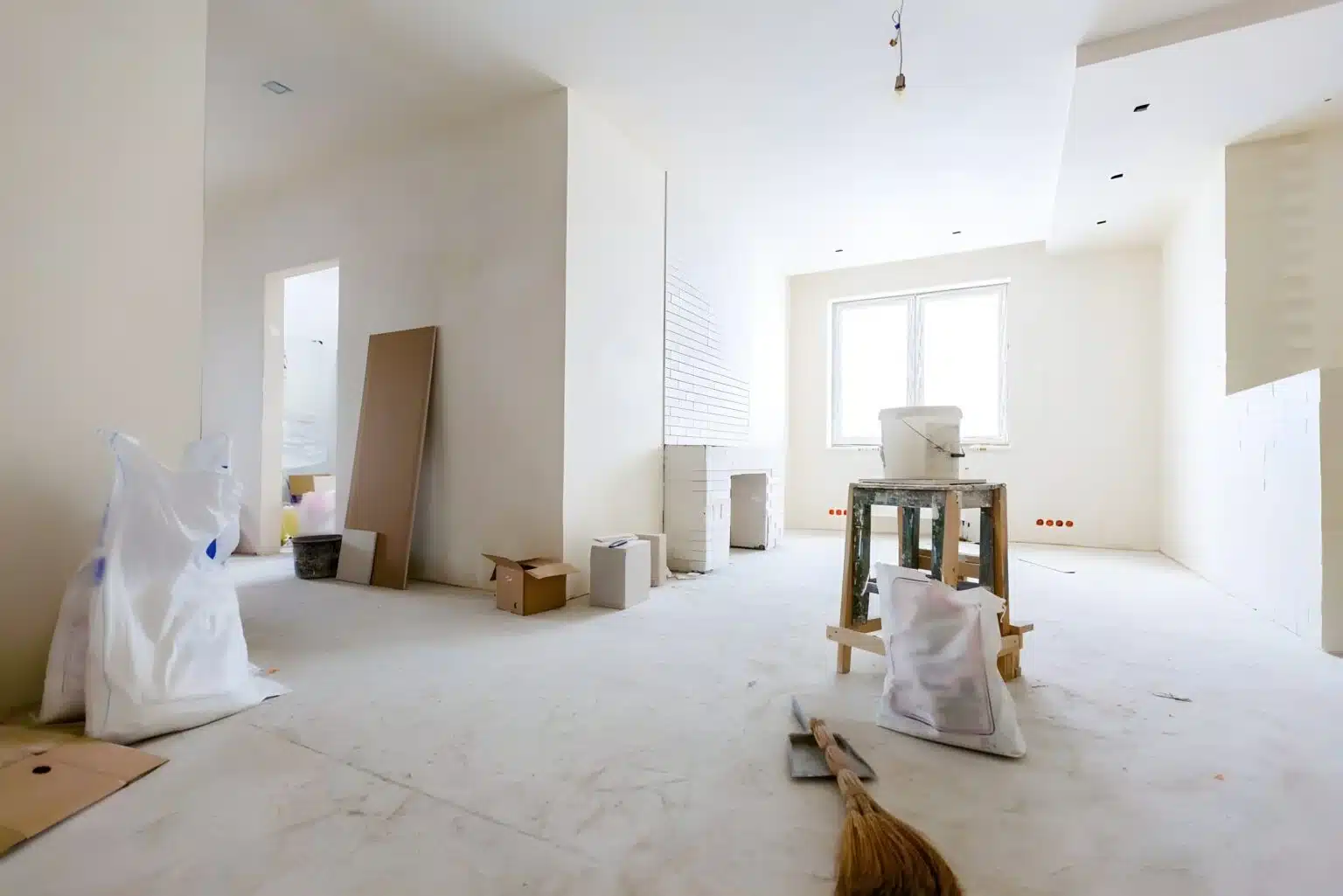
Remodeling your home is one of the biggest investments you’ll make as a homeowner. Whether you’re updating one room or planning a full home renovation, the decisions you make before construction begins will affect your budget, timeline, and overall experience. Taking time to plan now can help you avoid costly mistakes later.
Before starting your home remodel, it’s important to understand what the project will involve, how it may affect your daily life, and what steps will help keep everything on track. This guide covers the key things every homeowner should know before beginning a remodeling project.
1. Start With Clear Remodeling Goals
Every remodeling project begins with a reason. Knowing what you want to accomplish helps guide every decision that follows, from setting a budget to choosing materials and creating a realistic timeline.
Taking time to define your goals before construction starts can help prevent unnecessary changes later and keep the project focused on what matters most.
Decide Why You’re Remodeling
Start by asking yourself why you want to remodel your home.
Your answer may be different depending on your needs. Some homeowners remodel to improve how their homes function, while others want to increase property value, create more space, or update outdated designs.
Understanding your reason for remodeling helps you make decisions that support your long-term goals rather than changes you’ll regret later.
Prioritize Needs Before Wants
Not every improvement has the same level of importance.
Needs are projects that improve safety, functionality, or address existing problems. Wants are upgrades that improve appearance or add convenience.
If your budget becomes tighter than expected, having a list of priorities makes it easier to decide where to spend your money without sacrificing the parts of the renovation that matter most.
2. Create a Budget That Covers the Entire Project
A remodeling budget should include more than cabinets, flooring, and paint. Many homeowners focus on visible upgrades but forget about the costs that happen behind the walls or before construction even begins.
Building a complete budget helps you avoid financial surprises and gives you more flexibility if unexpected repairs are needed.
Include More Than Material Costs
Materials are only one part of the total investment.
A complete remodeling budget should also include:
- Labor
- Demolition
- Permits
- Inspections
- Design services
- Waste removal
- Temporary storage or housing, if needed
Looking at the full picture makes it easier to understand what your remodel will actually cost.
Set Aside Money for Unexpected Repairs
Even well-maintained homes can have hidden problems.
Once demolition begins, contractors may discover water damage, mold, outdated wiring, plumbing leaks, or structural issues that weren’t visible before construction.
Setting aside a contingency fund of around 10% to 20% of your budget can help you handle these repairs without delaying the project or removing planned upgrades.
3. Understand the Scope of Your Remodel
The scope of your remodel determines how much work will be completed. It affects the project timeline, the budget, the number of contractors involved, and whether permits may be required.
Understanding the scope before work begins helps you set realistic expectations and avoid expanding the project after construction starts.
Cosmetic Updates vs. Full Renovations
Not every remodel requires major construction.
Cosmetic updates usually include painting, replacing flooring, updating fixtures, or installing new cabinets while keeping the existing layout.
A full home renovation may include removing walls, relocating plumbing or electrical systems, replacing structural elements, or remodeling several rooms simultaneously.
Choosing the right scope depends on your goals, your budget, and the extent of change your home needs.
Whole Home Remodeling Requires More Planning
A whole-home remodeling project requires much more coordination than renovating a single room.
Multiple trades often work in different parts of the home, materials must arrive on schedule, and many phases depend on previous work being completed first.
Creating a detailed renovation plan before demolition begins helps keep the project organized and reduces the risk of delays during construction.
4. Finalize the Design Before Construction Begins
Design decisions affect nearly every part of a remodeling project. The layout, materials, fixtures, and finishes all influence the budget, construction schedule, and installation process.
Completing these decisions before work begins helps your contractor move through each stage of the renovation without unnecessary interruptions.
Choose Materials Early
Material selection is more than choosing colors and finishes.
Cabinets, flooring, countertops, appliances, plumbing fixtures, lighting, and tile all need to be selected before they’re installed. Some products are available immediately, while others require several weeks or even months to arrive.
Ordering materials early helps prevent delays caused by backorders or long manufacturing times.
Avoid Design Changes During Construction
Changing your plans after demolition has started often increases both the cost and the timeline.
For example, moving a wall after framing is complete or selecting different cabinets after measurements have been taken may require additional labor and new material orders.
Taking time to review layouts, finishes, and product selections before construction begins can help keep your project on schedule and reduce unnecessary expenses.
5. Prepare for How Remodeling Will Affect Daily Life
A home remodel changes more than the appearance of your house. During construction, parts of your home may be difficult to access, daily routines may change, and noise and dust can become part of everyday life.
Planning for these disruptions before work begins can make the renovation more manageable and help your household adjust throughout the project.
Living in Your Home During a Remodel
Whether you can stay in your home depends on the project’s size and location.
A bathroom remodel may affect only one area of the house, while a kitchen renovation or a full-home remodel can make daily activities much more difficult. You may temporarily lose access to cooking, laundry, or other essential spaces.
Talk with your contractor before construction begins so you know which areas will be unavailable and for how long. If major parts of your home will be unusable, consider whether temporary accommodations make sense.
Plan for Children, Pets, and Remote Work
Construction can create safety concerns and distractions that affect everyone in the home.
Power tools, exposed wiring, dust, and construction materials may pose risks to young children or pets. If you work from home, constant noise can also make it difficult to attend meetings or stay productive.
Creating designated spaces away from the construction area and discussing the work schedule with your contractor can help reduce disruptions throughout the renovation.
6. Know When Permits Are Required
Permits are often required for remodeling projects that involve structural changes, plumbing, electrical systems, or other major improvements. Whether your project requires permits depends on the scope of the work and local building requirements.
Planning for permits before construction begins helps keep your renovation on schedule and reduces the chance of delays later in the project.
Projects That Usually Require Permits
Not every remodeling project requires a permit, but many larger renovations do.
In Manhattan and throughout New York City, permits are typically required for projects involving:
- Structural changes
- Room additions
- Plumbing modifications
- Electrical upgrades
- HVAC changes
- Window or door openings that affect the structure
Cosmetic work, such as painting, replacing flooring, installing cabinets in the same location, or replacing plumbing fixtures without relocating them, often does not require a permit. Requirements can vary depending on the scope of the work and the type of property.
If you’re planning a remodel in Manhattan or the surrounding New York City area, JSM Custom Remodels can help determine which permits your project may require and guide you through the permitting process before construction begins.
Work With a Contractor Who Understands Local Requirements
Building codes and permit requirements vary from one location to another.
An experienced contractor understands which permits are required, when inspections must occur, and how those requirements fit into the construction schedule.
Working with someone familiar with local regulations helps avoid delays caused by missing permits or failed inspections.
7. Choose the Right Contractor
The contractor you hire can have a major impact on your remodeling experience. A well-planned project, clear communication, and quality workmanship often depend on choosing the right team before construction begins.
Taking time to compare contractors can help you avoid misunderstandings and keep your project moving forward.
Compare More Than Price
The lowest estimate isn’t always the best value.
When comparing contractors, consider:
- Experience with similar projects
- Licensing and insurance
- Communication style
- Project timeline
- Written estimates
- Portfolio of completed work
- Customer reviews
Looking beyond the price gives you a better understanding of what you’re receiving and helps you make a more informed decision.
Ask Questions Before Signing a Contract
A contract should clearly explain what work will be completed and what you can expect throughout the project.
Before signing, ask questions about:
- The construction schedule
- Payment terms
- Material selections
- Change orders
- Warranties
- Communication during the project
Clarifying these details early helps prevent confusion once construction begins.
8. Expect the Unexpected
Even with careful planning, remodeling projects don’t always go exactly as expected. Older homes often contain hidden issues that only become visible after demolition begins.
Planning for these possibilities helps reduce stress and keeps the project moving if additional work becomes necessary.
Common Issues Found During Remodeling
Many homes have hidden problems behind walls, beneath flooring, or above ceilings.
Common discoveries include:
- Water damage
- Mold
- Plumbing leaks
- Outdated electrical wiring
- Structural damage
- Foundation issues
These repairs often need to be completed before new materials can be installed. Although they may increase the project cost, fixing them early helps protect your home and prevents larger problems in the future.
Stay Flexible During Construction
Unexpected changes don’t always mean something has gone wrong.
Sometimes a product becomes unavailable, an inspection takes longer than expected, or additional repairs are needed before work can continue.
Building extra time and money into your renovation plan gives you more flexibility to handle these situations without changing your long-term goals for the project.
9. Understand the Order of a Home Remodel
Every remodeling project follows a sequence. Completing each stage in the correct order helps prevent rework, keeps the project organized, and allows inspections to occur before the next phase begins.
Knowing what happens during each step can help you understand the timeline and prepare for what’s happening inside your home.
Planning and Design
Every successful remodel begins with a detailed plan.
During this stage, you’ll define your goals, establish a budget, select materials, and finalize the layout. Completing these decisions before construction begins reduces delays and minimizes costly changes later.
Permits
If your project requires permits, they should be approved before demolition begins.
Obtaining permits early helps prevent work stoppages and ensures the renovation meets local building requirements.
Demolition
Demolition removes the existing materials that will be replaced.
This stage gives contractors access to the home’s framing, plumbing, electrical systems, and other structural components. It also allows hidden issues to be identified before rebuilding begins.
Rough Construction
After demolition, contractors complete work behind the walls.
This may include framing, plumbing, electrical work, HVAC modifications, insulation, and structural repairs. These systems must be completed before drywall and finish materials can be installed.
Inspections
Projects requiring permits usually include inspections during construction.
These inspections confirm that the plumbing, electrical, and structural work complies with local building codes before the project moves to the next stage.
Drywall and Painting
Once inspections are complete, drywall is installed, finished, and prepared for paint.
Painting is often completed before flooring, cabinets, and trim are installed to help protect finished surfaces.
Cabinets, Flooring, and Fixtures
This is the stage where the renovation begins to come together.
Cabinets, countertops, flooring, lighting, plumbing fixtures, trim, hardware, and other finish materials are installed in accordance with the project plan.
Final Walkthrough
Before the project is complete, review the finished work with your contractor.
Test fixtures, appliances, lighting, doors, and plumbing to confirm everything works properly. Any remaining adjustments or punch-list items should be completed before the renovation is considered finished.
10. Think Beyond the Finished Project
A successful remodel should improve your home for years to come, not just make it look better today. Thinking beyond the finished project can help you make decisions that continue to provide value long after construction is complete.
Focus on Long-Term Value
Not every upgrade delivers the same return.
Prioritize improvements that increase functionality, improve storage, reduce maintenance, or make your home more comfortable to live in. Choosing durable materials and timeless designs can also help your renovation stay attractive as trends change.
When deciding how to allocate your budget, focus on improvements that support how you use your home every day.
Plan for Future Maintenance
Every material requires some level of maintenance.
Natural stone may need periodic sealing, hardwood floors require ongoing care, and grout should be cleaned regularly to help prevent staining and moisture issues.
Before choosing materials, ask about their maintenance requirements so you can select products that fit both your lifestyle and the amount of upkeep you’re willing to do.
Start Planning Your Home Remodel with JSM Custom Remodels
A successful remodeling project begins with careful planning. Setting clear goals, building a realistic budget, understanding the renovation process, and working with the right contractor can help you avoid common challenges and make better decisions from the start.
At JSM Custom Remodels, we help homeowners plan and complete remodeling projects with confidence. Whether you’re updating one room, planning a whole-home remodeling project, or starting a full-home renovation, our team provides expert guidance, quality craftsmanship, and clear communication from the initial consultation to the final walkthrough.
Contact JSM Custom Remodels today to schedule a consultation and start planning your home remodel.