The cost to install recessed lighting usually comes down to two things: how hard it is to run wiring and how much ceiling work is involved. In a brand-new build with open ceilings, recessed lighting can be fairly straightforward. In a finished NYC apartment with plaster ceilings, limited access, and strict building rules, the same number of lights can cost significantly more. That is why two homeowners can both ask how much to install recessed lighting and get very different answers.
This guide breaks down recessed lighting installation cost ranges in a practical way, including the cost to install recessed lights per fixture, what affects the budget, and how to plan your layout so you don’t end up with dark corners or harsh, overly bright spots.
Recessed Lighting Installation Cost at a Glance
Recessed lighting cost is often quoted per light, but most people want to know what it looks like per room and for a full project. The table below gives planning ranges for common scenarios. These are budgeting ranges, not a substitute for an electrician’s on-site quote.
| Pricing unit | Typical scope | Estimated cost range |
|---|---|---|
| Per light | Add one recessed light in a finished ceiling | $250 to $600+ |
| Per room | Add 4 to 8 lights with a switch or dimmer | $1,200 to $4,800+ |
| Per project | Add 10 to 25 lights across multiple rooms | $3,000 to $15,000+ |
The biggest swing factor is whether this is a retrofit. Adding recessed lighting in a finished ceiling usually costs more than installing the same fixtures during a renovation with open ceilings.
Recessed Light Prices by Fixture Type
Fixture choice affects both material cost and labor. Some fixtures install faster, while others require more ceiling depth or more wiring.
Canless LED Wafer Lights
Canless LED wafer lights are popular because they are thin and easier to fit into tight ceiling cavities. They’re a good option in apartments where ceiling depth is limited.
These fixtures are often chosen for:
- Low-profile ceilings
- Fast installs during retrofits
- Clean, modern light spread
They can also reduce patching work compared to deeper housings, depending on the ceiling structure.
Traditional Can Lights
Traditional can lights use a recessed housing plus a trim. They’re a great choice when you want a specific look, better glare control, or compatibility with certain bulbs.
They are common in:
- Projects with enough ceiling depth
- Renovations where ceilings are already open
- Higher-end lighting plans with specific trims
Because the housing is larger, installation costs can increase when access is tight.
Smart and Dimmable Fixtures
Smart and dimmable fixtures can add comfort and flexibility, but they can also add cost depending on the controls and wiring.
Cost factors can include:
- Smart switches or smart drivers
- Dimmers that match LED requirements
- Multi-zone lighting layouts
- App setup and troubleshooting time
If you want dimming, it is worth planning it upfront. Adding dimmers later can mean reopening walls or replacing switches.
Labor Costs for Recessed Light Installation
Labor is often the largest part of recessed lighting installation cost, especially in finished spaces. Labor costs reflect access, wiring complexity, and how much patching is required.
New Construction and Open Ceilings
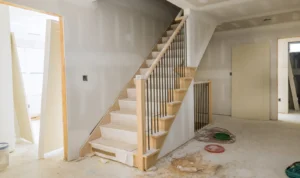
With open ceilings, electricians can run wiring quickly, place fixtures accurately, and avoid cutting and patching drywall or plaster.
This is usually the most cost-effective time to install recessed lighting because:
- Wiring routes are visible
- Fixture placement is easier to adjust
- Less patching and paint work is needed
If you are already doing an extended renovation, it is often smart to include lighting upgrades at the same time.
Retrofit Installs in Finished Ceilings
Retrofit installs are where costs rise. The electrician has to cut openings, fish wires through cavities, and work around framing, pipes, and existing electrical.
Retrofit work often involves:
- Careful layout to avoid joists and obstructions
- Fishing wires with limited access
- Cutting and patching ceilings
- Coordinating paint touch-ups
In NYC apartments, building rules and limited work hours can also affect retrofit work.
Replacing Existing Recessed Lights
Replacing recessed lights usually costs less than adding new ones because the wiring and ceiling openings already exist. That said, replacement can still get complicated if the existing fixtures are outdated or incompatible with modern LEDs.
Replacement may include:
- Updating trims and bulbs
- Replacing housings if they are damaged or not rated correctly
- Adjusting wiring for new fixture requirements
- Upgrading dimmers to prevent flicker
If you are replacing multiple fixtures, it is a good time to evaluate whether the layout still makes sense for the room.
What Raises the Cost of Recessed Lighting?
If you are comparing quotes, these are the factors that most often explain why the numbers are higher than expected.
Ceiling Type and Attic Access
Access is everything. If there is attic access above the room, wiring can be easier. If the ceiling is sealed with no access, the electrician may need to fish wires from below, which takes longer.
Cost can increase when:
- There is no access above the ceiling
- The ceiling cavity is shallow
- The room has multiple layers of drywall or old plaster
Wiring, Switches, and Dimmers
Adding lights is not just about the fixtures. It is also about how they are controlled.
Costs can rise when you need:
- New switch legs and wiring runs
- Three-way switches for hallways or large rooms
- Multiple zones, such as kitchen task lighting plus ambient lighting
- LED-compatible dimmers
A good plan avoids the common mistake of putting too many lights on one switch with no control flexibility.
Electrical Panel Capacity
Sometimes the lighting is not the problem; the panel is. If the apartment’s electrical panel is at capacity, adding new circuits can require additional work.
Panel-related cost drivers include:
- Adding a new circuit for lighting load
- Upgrading breakers
- Coordinating building shutoffs if required
- Panel upgrades in older units
An electrician can confirm whether the existing panel can support the added load.
Plaster Ceilings in Older NYC Buildings
Older NYC buildings often have plaster ceilings, which can be more time-consuming to cut and patch cleanly. Plaster can crack, and repairs may require more finishing work to blend properly.
This can increase cost because:
- Cutting is slower and messier
- Patching and skim coating can take longer
- Paint matching may be needed across a larger area
If your building is prewar, plaster is a common reason recessed lighting cost runs higher than online averages.
Permits and Building Approvals
Some projects require permits, and many co-ops and condos require approvals even when permits are not required. Building rules can also limit work hours, elevator use, and debris handling.
Costs can increase due to:
- Permit filings and inspections
- Co-op or condo alteration agreements
- Insurance documentation requirements
- Limited work hours that stretch the schedule
If you are in a managed building, it is worth confirming requirements early so the project does not stall.
How Many Recessed Lights Does Each Room Need?
There is no one perfect number, but there are practical guidelines. The goal is even coverage without turning the ceiling into a grid of lights.
A simple approach is:
- Start with the room’s purpose, task lighting needs, and furniture layout
- Use fewer lights with better placement rather than more lights everywhere
- Add dimming so the room can shift from bright task lighting to softer evening light
Kitchens usually need more focused light than bedrooms. Bathrooms often need a mix of overhead and vanity lighting. Living rooms benefit from zones rather than one bright ceiling plan.
Recessed Lighting Costs by Room
Room type affects both layout and wiring complexity. Some rooms also have more code and safety considerations.
Kitchens
Kitchens often need a layered plan. Recessed lights usually provide general lighting, with additional under-cabinet lighting for task areas.
Costs can increase in kitchens because:
- You may need more fixtures for even coverage
- Layout needs to avoid cabinets and ducting
- You may add separate zones for counters and dining areas
Bathrooms
Bathrooms require fixtures rated for damp or wet locations depending on placement. Wiring must also account for fans, GFCI requirements, and tight ceiling spaces.
Costs can increase due to:
- Wet-rated fixture requirements
- Limited ceiling access
- Coordination with ventilation and existing wiring
Living Rooms and Bedrooms
Living rooms and bedrooms often benefit from fewer recessed lights plus dimming. Over-lighting is a common regret, especially in bedrooms.
Costs vary based on:
- Room size and ceiling height
- Whether you want multiple zones
- Whether you are adding new switches or replacing existing lighting
For a warmer feel, consider fewer fixtures and a dimmer rather than adding more lights.
Why Hire a Pro for Recessed Lighting Installation
Recessed lighting looks simple, but it touches electrical safety, code compliance, and ceiling integrity. A professional helps you avoid common issues like flicker, poor placement, overloaded circuits, and messy ceiling repairs.
Hiring a pro helps with:
- Safe wiring and correct circuit loading
- Clean cuts and proper fixture mounting
- Correct fixture ratings for bathrooms and insulated ceilings
- Better layout planning for even light
- Coordination with building rules and approvals
A pro also helps you navigate building requirements so the work does not get stopped mid-project.
Plan Your Lighting Upgrade With JSM Custom Remodels
The best way to estimate the cost of installing recessed lighting is to consider your ceiling type, access, wiring routes, and the number of fixtures you actually need for the space. Once you confirm whether this is a retrofit install, a replacement, or part of a larger renovation, you can predict the budget more easily.
JSM Custom Remodels helps homeowners plan lighting upgrades, including recessed lighting installation, fixture replacement, and layout planning that fits NYC apartments and building requirements. Contact JSM Custom Remodels to discuss your space, your lighting goals, and the best way to approach the project with a clear scope and realistic cost range.