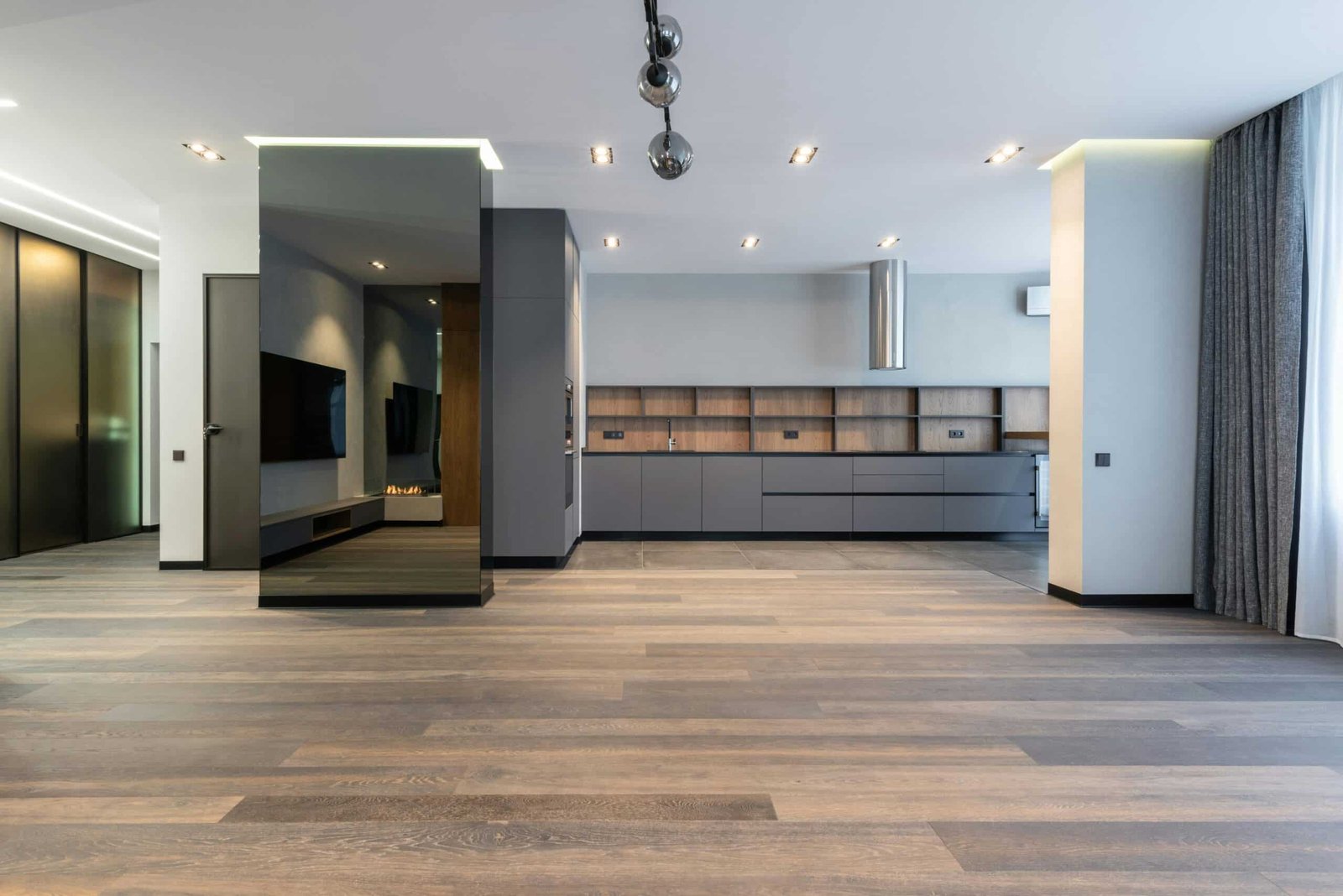
Planning a home renovation starts long before demolition. The decisions you make before construction begins will affect your budget, project timeline, and the final result. While every renovation is different, understanding the process in advance can help you avoid delays, prepare for unexpected challenges, and make better decisions throughout the project.
Whether you’re updating a single room or planning a whole house renovation, having a clear timeline makes the process easier to manage. This guide explains what you should do before work begins, what affects the renovation schedule, and how each stage of the remodel typically unfolds.
Before You Start
No two home renovations follow the same schedule. A kitchen remodel doesn’t take as long as a bathroom renovation, and a full home renovation requires different planning than updating one room.
Before creating a timeline, it’s important to understand what your project involves, what could affect the schedule, and which decisions should be made before construction begins.
Define Your Goals
Every renovation should begin with a clear purpose.
Before creating a budget or timeline, decide what you want to accomplish with your home renovation. Your goals might include improving how your home functions, creating more living space, updating an older home, increasing energy efficiency, or preparing the property for long-term use or resale.
Clearly defining your goals helps determine the project’s scope, establish a realistic budget, and create a timeline that matches the amount of work involved. It also makes it easier to prioritize improvements and avoid adding unnecessary work once construction begins.
Determine the Scope of Your Renovation
The scope of work defines everything that will be included in the renovation.
Updating flooring and paint is very different from removing walls, adding a room, or remodeling multiple areas of the home. The more construction involved, the more time, labor, and coordination the project will require.
Before finalizing your plans, decide whether you’re remodeling a single room, several rooms, or the entire house. Having a clear scope helps prevent unexpected changes once construction begins.
Build a Realistic Budget
Your budget affects more than the materials you choose. It also influences the pace of the renovation and the decisions you make throughout the project.
A complete budget should include:
- Materials
- Labor
- Demolition
- Permits
- Inspections
- Temporary living expenses, if needed
- A contingency fund for unexpected repairs
Leaving room for unforeseen expenses can help keep the renovation moving if hidden problems are discovered during construction.
Choose Materials Before Construction Starts
Many renovation delays happen because materials haven’t arrived when they’re needed.
Cabinets, windows, flooring, appliances, tile, and specialty finishes may require several weeks to manufacture or ship. Waiting until demolition begins to place orders can delay the entire project.
Selecting materials early gives your contractor time to schedule each phase of construction around product deliveries.
Hire Your Contractor Early
Finding the right contractor takes time.
Meeting with contractors early allows you to compare estimates, discuss timelines, review previous projects, and confirm that everyone understands the scope of the renovation before work begins.
Experienced contractors also help identify potential challenges during the planning stage, making it easier to avoid delays once construction starts.
What Affects the Renovation Timeline
Every renovation follows a different schedule because every home presents different challenges. Some projects move quickly, while others take longer because of construction requirements, material availability, or unexpected repairs.
Understanding what affects the timeline helps you set realistic expectations before work begins.
Project Size
The size of the renovation is one of the biggest factors affecting the schedule.
A guest bathroom remodel can often be completed much faster than renovating an entire home because there are fewer materials to install and fewer trades involved.
Before creating your renovation timeline, decide whether to complete the project all at once or in phases, based on your home and budget.
Layout Changes
Changing the layout usually increases the length of a renovation.
Moving walls, relocating plumbing, or modifying electrical systems requires additional planning, inspections, and construction before finish work can begin.
If your current layout already works well, keeping major systems in place can shorten the renovation and reduce labor costs.
Material Availability
Material availability can affect your renovation before construction even begins.
Products such as custom cabinets, specialty tile, windows, and appliances often have longer lead times. If they haven’t arrived before installation is scheduled, parts of the project may need to be postponed.
Ordering materials early is one of the best ways to keep your renovation on schedule.
Permits and Inspections
Many renovations require permits before construction can begin.
Projects involving structural work, plumbing, electrical systems, or home additions often require inspections at different stages of construction.
Because approval timelines vary by municipality, it’s important to include permit processing and inspections in your overall renovation schedule.
Unexpected Repairs
Hidden problems are common in older homes.
Demolition may uncover water damage, outdated wiring, plumbing leaks, foundation issues, or damaged framing that wasn’t visible before construction started.
Completing these repairs before moving forward helps protect your investment and prevents larger problems after the renovation is finished.
Home Remodeling Process Timeline
Every renovation is unique, but most projects follow the same general sequence. Completing each stage in the proper order helps prevent rework, keeps construction organized, and allows inspections to happen when required.
Step 1: Planning and Design
Every successful renovation starts with a plan.
Work with your contractor to define your goals, establish a budget, create a timeline, and select materials before demolition begins. Completing these decisions early reduces the likelihood of changes during construction.
Step 2: Material Selection and Ordering
Order major materials before work begins whenever possible.
Cabinets, flooring, windows, appliances, plumbing fixtures, and specialty products often require advance ordering. Having them ready before they’re needed helps keep the renovation moving.
Step 3: Permits and Scheduling
Obtain all required permits and finalize the construction schedule.
Completing this step before demolition helps prevent work stoppages caused by permit approvals or inspection scheduling.
Step 4: Demolition
Remove the existing materials that will be replaced.
Depending on the project, this may include flooring, cabinets, drywall, fixtures, trim, or walls. Demolition also gives contractors access to plumbing, electrical systems, and framing, allowing hidden problems to be identified and repaired.
Step 5: Structural, Plumbing, and Electrical Work
Once demolition is complete, contractors perform all work behind the walls.
This stage may include framing, plumbing rough-ins, electrical upgrades, HVAC modifications, and structural repairs. Completing these improvements before closing the walls helps prevent costly changes later.
Step 6: Inspections
If permits are required, inspections take place before finish materials are installed.
Passing inspections confirms that plumbing, electrical, and structural work meets local building requirements before construction continues.
Step 7: Drywall, Flooring, and Painting
After rough construction is complete, contractors begin rebuilding the space.
Drywall is installed and finished, flooring is completed where appropriate, and walls are painted in preparation for cabinets, fixtures, and trim.
Step 8: Cabinets, Fixtures, and Finishes
The renovation begins to take its final shape during this phase.
Cabinets, countertops, lighting, plumbing fixtures, trim, doors, hardware, backsplashes, and other finish materials are installed.
Step 9: Final Walkthrough
Before the project is complete, inspect the finished work with your contractor.
Test fixtures, appliances, lighting, doors, and plumbing to ensure everything works properly and to address any remaining punch-list items before the renovation is officially finished.
General Projects Timeline
The length of a renovation depends on the room you’re remodeling and the amount of work involved. Updating finishes usually takes less time than changing the layout or replacing plumbing and electrical systems.
The comparison below provides general timelines for common home renovation projects. Keep in mind that these are estimates, and your schedule may vary depending on the scope of work, material availability, permit requirements, and your home’s condition.
| Project | Typical Timeline | Factors That May Extend the Timeline |
| Powder Room Remodel | 1–2 weeks | Plumbing repairs, custom fixtures |
| Full Bathroom Renovation | 3–6 weeks | Layout changes, waterproofing, custom tile |
| Kitchen Remodel | 6–10 weeks | Custom cabinets, countertop fabrication, appliance lead times |
| Basement Remodel | 6–12 weeks | Framing, plumbing, electrical work, inspections |
| Room Addition | 3–6 months | Foundation work, structural framing, permits, weather |
| Whole House Renovation | Several months or longer | Multiple rooms, structural work, custom finishes, phased construction |
These timelines provide a starting point for planning your project. Your contractor can develop a more accurate schedule after evaluating your home and the work involved.
Most Common Delays
Even the best-planned renovations can run into delays. Some are outside your control, while others can be avoided with better planning.
Knowing what commonly slows down a renovation can help you set realistic expectations and keep your project moving as smoothly as possible.
Material Delays
Materials can’t be installed if they haven’t arrived.
Products such as custom cabinets, windows, specialty tile, flooring, and appliances often have longer lead times than standard materials. If deliveries are delayed, construction may pause until those products arrive.
Ordering materials before demolition begins gives your contractor more flexibility when scheduling the project.
Unexpected Repairs
Some problems don’t become visible until demolition starts.
Water damage, mold, plumbing leaks, termite damage, outdated wiring, or structural issues may need to be repaired before construction can continue. Although these repairs add time to the project, completing them early helps prevent more expensive problems in the future.
Building extra time into your schedule can make these unexpected discoveries less disruptive.
Design Changes During Construction
Changing your plans after work begins often creates delays.
Switching materials, relocating walls, or choosing different layouts may require additional labor, revised plans, or new material orders.
Finalizing your design before construction starts helps avoid unnecessary interruptions and keeps the project moving forward.
Weather
Weather can affect projects that involve exterior work.
Home additions, roofing, siding, windows, and other outdoor construction may be delayed by heavy rain, snow, or extreme temperatures. While interior remodeling is less affected, exterior conditions can still impact deliveries and scheduling.
If your renovation includes outdoor work, ask your contractor how weather may affect the timeline.
Permit Approvals
Permit approval times vary from one municipality to another.
Some inspections can be scheduled quickly, while others may require additional waiting time depending on local building departments. Projects cannot move to the next phase until required inspections are completed.
Discuss permit requirements before construction begins so they can be included in the project schedule.
How to Avoid Delays
Not every delay can be prevented, but good planning can reduce many of the most common issues.
Choose your materials early, finalize the design before demolition, respond quickly to contractor questions, and leave room in your schedule for inspections or unexpected repairs. Working with an experienced remodeling contractor can also help keep each phase of the project organized and on track.
Start Your Home Renovation with JSM Custom Remodels
A successful renovation starts with a realistic timeline and a clear plan. Understanding what affects the schedule, preparing for each stage of construction, and making key decisions before work begins can help your project stay on track from start to finish.
At JSM Custom Remodels, we work with homeowners to develop renovation plans that fit their goals, budget, and timeline. Whether you’re remodeling one room, completing a full apartment renovation, or planning a whole house remodel, our team provides the guidance and craftsmanship needed to complete the project with confidence.
Contact JSM Custom Remodels today to schedule a consultation and start planning your home renovation.