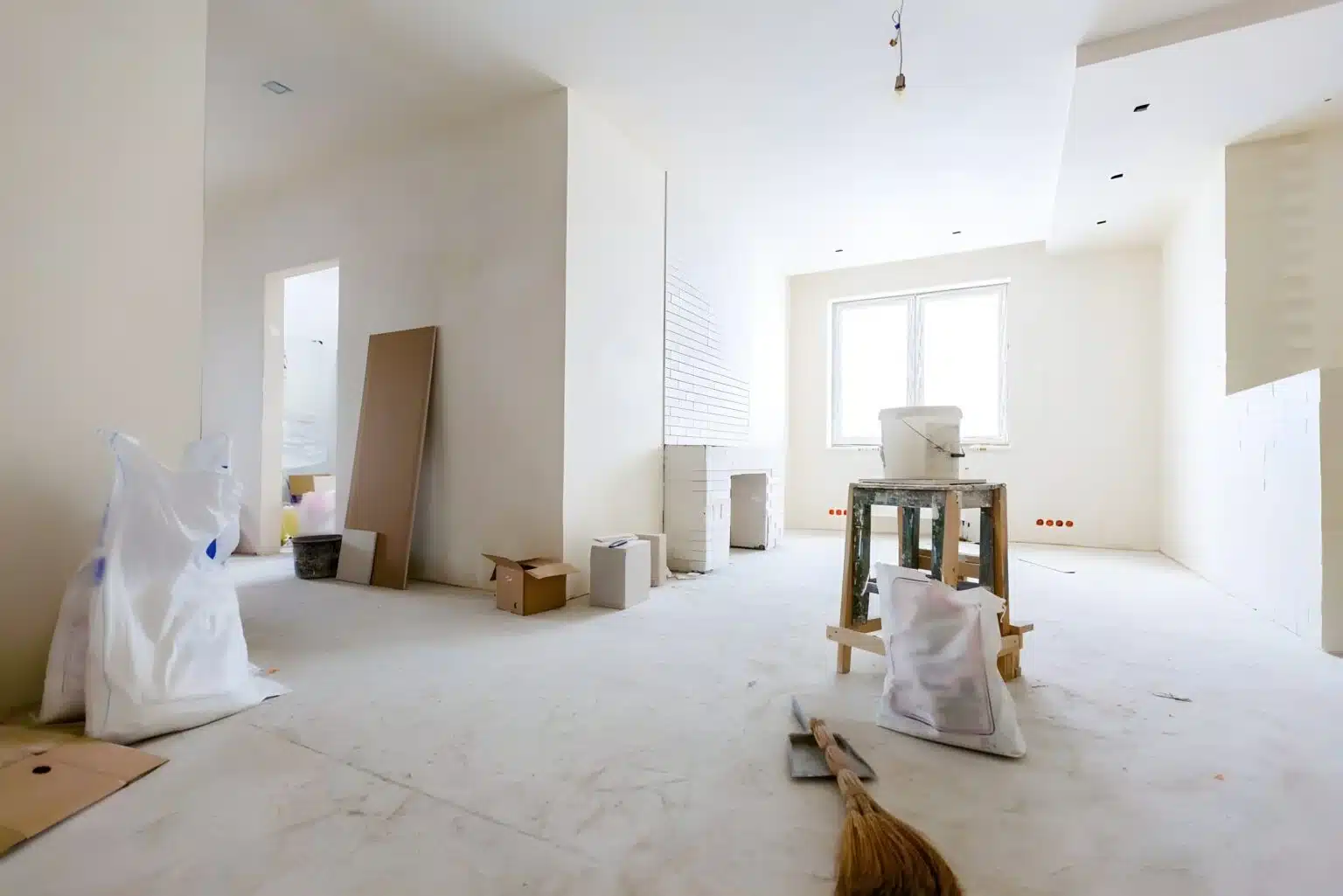
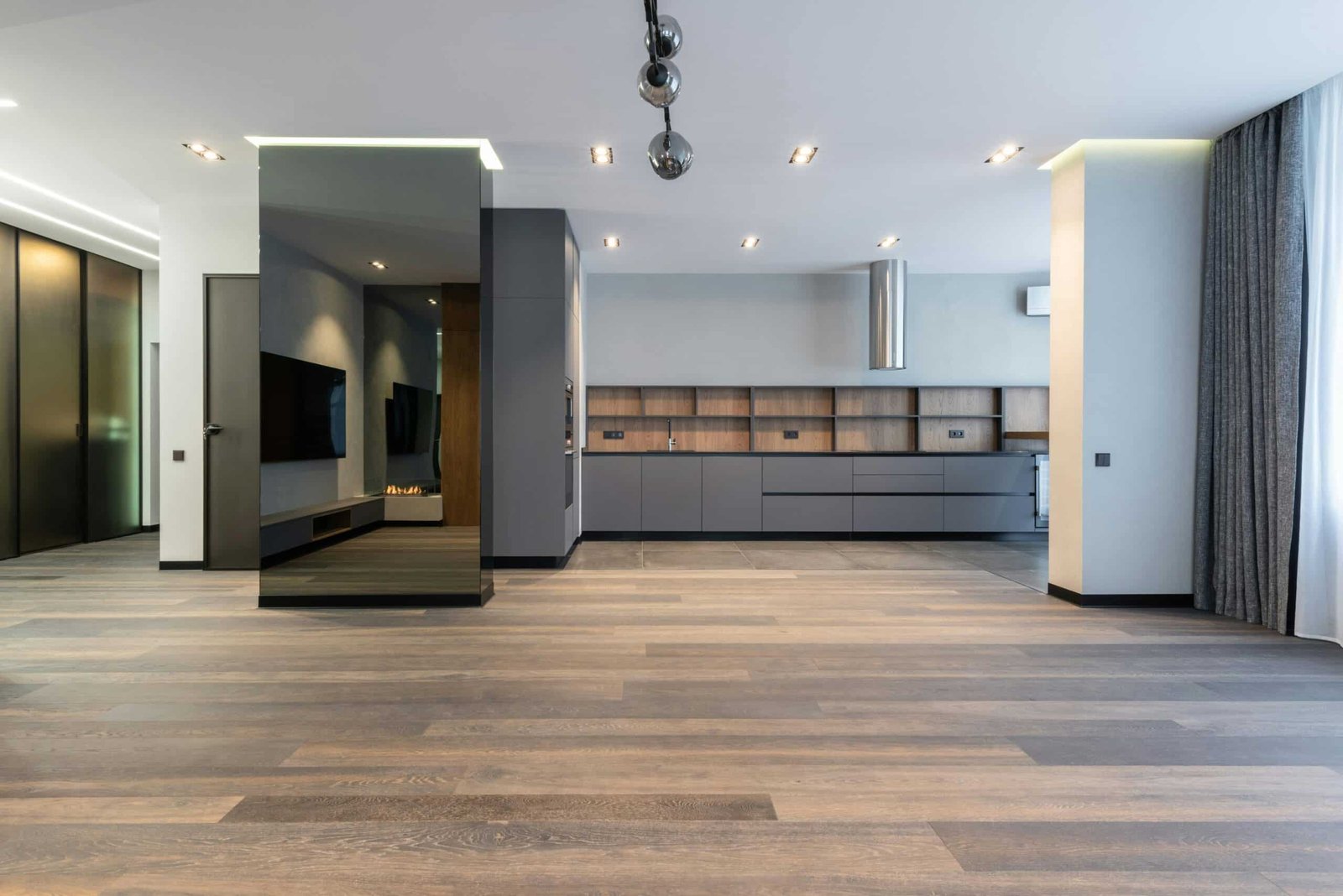
Planning a renovation can feel overwhelming, especially if it’s your first major home improvement project. Between setting a budget, hiring a contractor, choosing materials, and deciding what to renovate first, there are dozens of decisions to make before construction begins.
If you’re wondering how to plan a renovation, the best place to start is with a clear plan. Taking time to define your goals and organize each phase of the project can help reduce unexpected costs, avoid delays, and make the remodel process much smoother.
Key Things to Consider When Preparing a Renovation
A successful renovation begins long before demolition. Taking time to evaluate your goals, budget, timeline, and project scope can help you make informed decisions and reduce the likelihood of unexpected challenges once construction begins.
Define Your Goals
Before creating home renovation plans, decide what you want the project to accomplish.
Ask yourself questions such as:
- Which areas of the home need improvement?
- Are you renovating for your family’s needs or resale value?
- Do you need more space or better functionality?
- Are there structural or maintenance issues that should be addressed?
Having clear goals will help guide every decision that follows.
Establish a Realistic Budget
One of the biggest mistakes homeowners make is budgeting only for visible upgrades.
| Budget Category | Recommended Allocation | Key Expense Items |
|---|---|---|
| Structural & Mechanicals | 35% – 40% | Plumbing, electrical rough-ins, HVAC, framing, foundation repairs |
| Interior Finishes & Fixtures | 30% – 35% | Cabinets, countertops, flooring, tile, lighting, plumbing fixtures |
| Labor, Contracting & Permits | 20% – 25% | Demolition, installation labor, subcontractor fees, municipal permits |
| Contingency Reserve Fund | 10% – 15% | Unforeseen water damage, outdated wiring, subfloor repairs |
Your renovation budget should include:
- Design costs
- Demolition
- Labor
- Materials
- Permits
- Inspections
- Temporary living expenses if necessary
- A contingency fund for unexpected repairs
Older homes often reveal hidden issues once demolition begins, so having extra funds available helps keep the project moving.
Prioritize Your Projects
If you’re renovating multiple rooms, decide which projects should happen first.
For example:
- Structural repairs
- Roofing
- Foundation work
- Plumbing
- Electrical
- HVAC upgrades
These improvements should be completed before cosmetic updates like flooring, paint, cabinetry, or trim.
Decide What to Keep and What to Replace
Not everything has to be removed during a renovation. Consider whether existing cabinets, flooring, doors, windows, or fixtures can be refinished, repaired, or reused instead of replaced. Keeping certain elements may reduce costs without affecting the overall result.
Research Materials Early
Many building materials require several weeks to arrive. Choosing your:
- Flooring
- Cabinets
- Countertops
- Appliances
- Plumbing fixtures
- Lighting
- Paint colors
before construction begins helps prevent delays later in the project.
Understand Permit Requirements
Some renovations require permits before work can begin. Projects involving structural changes, plumbing, electrical work, additions, or major remodeling often require inspections throughout construction. Your contractor can help determine which permits apply to your renovation.
Hire the Right Contractor
Choosing a contractor is one of the most important parts of renovation planning. Before hiring, compare:
- Experience
- Licensing and insurance
- Portfolio of completed work
- Customer reviews
- Communication
- Project timeline
- Written estimates
Selecting a qualified contractor often prevents many of the problems homeowners encounter during renovations.
Step by Step: How to Plan a Renovation
Once you’ve established the foundation for your project, the next step is creating a clear renovation plan. Following the remodel process in the right order helps keep the project organized, minimizes delays, and ensures each stage is completed before moving on to the next.
Step 1: Determine Your Renovation Goals
Identify exactly what you want to improve and establish the overall scope of the project. Knowing your priorities makes it easier to create a realistic budget and timeline.
Step 2: Create Your Budget
Estimate costs for labor, materials, permits, and unexpected repairs. Avoid spending your entire budget on finishes alone. Leaving room for unforeseen expenses can prevent construction from stopping if additional work becomes necessary.
Step 3: Build Your Renovation Timeline
Decide when you want construction to begin and how long you’re willing to live through the project. Keep in mind that material lead times, inspections, weather, and contractor availability can all affect the schedule.
Step 4: Hire Your Contractor
Meet with contractors early to discuss your renovation goals, review design ideas, and receive detailed estimates. Once you’ve selected a contractor, establish a project schedule and review the scope of work before construction begins.
Step 5: Finalize the Design
Complete all major design decisions before demolition. Choose your flooring, cabinets, countertops, fixtures, appliances, paint colors, lighting, and hardware. Making changes after construction starts often increases costs and delays the project.
Step 6: Order Materials
Many renovation products require advance ordering. Having materials ready before demolition begins helps keep construction moving without unnecessary interruptions.
Step-7: Obtain Permits
Secure all required permits before work begins. Completing this step early helps avoid project delays caused by inspections or permit approvals.
Step 8: Prepare Your Home
Move furniture, protect nearby rooms, and create temporary living arrangements if construction will affect essential spaces such as the kitchen or bathrooms. Proper preparation helps reduce stress once demolition starts.
Step 9: Begin Construction
Construction usually follows this general order:
- Demolition
- Structural repairs
- Plumbing, electrical, and HVAC work
- Inspections
- Drywall
- Flooring
- Cabinets
- Countertops
- Trim and paint
- Fixtures and finishes
Following the correct remodel process minimizes rework and keeps the project organized.
Step 10: Complete the Final Walkthrough
Once construction is finished, inspect the completed work with your contractor. Test fixtures, appliances, lighting, doors, and plumbing to confirm everything functions properly before the project is officially complete.
Start Your Home Renovation with JSM Custom Remodels
A successful renovation starts long before demolition. Careful planning, realistic budgeting, early material selection, and working with an experienced contractor can help keep your project on schedule while reducing unexpected costs.
At JSM Custom Remodels, we help homeowners through every stage of the renovation process, from planning and design to construction and final walkthrough. Whether you’re updating a single room or renovating your entire home, our team is committed to delivering quality craftsmanship and a smooth remodeling experience.
Contact JSM Custom Remodels today to schedule a consultation and start planning your home renovation.