Summary: Open concept homes look amazing in photos: bright kitchens flowing into living rooms, big sightlines, and a space that feels modern and social. Traditional layouts feel different in the best way: defined rooms, quieter zones, and more privacy when you actually live there day to day. If you are remodeling in Manhattan, NY, the decision is not just about style. It affects noise, storage, lighting, resale value, and what your building will even allow you to change.
The truth is that neither layout is “better.” The right choice depends on how you use your space, who lives with you, and what trade-offs you are willing to accept. This guide breaks down the real pros and cons, the renovation considerations that matter, and how to decide with confidence before you start moving walls.
The Quick Difference: What “Open Concept” and “Traditional” Really Mean
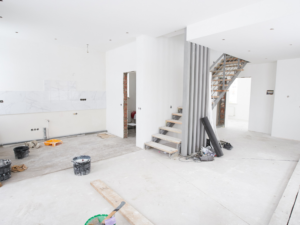
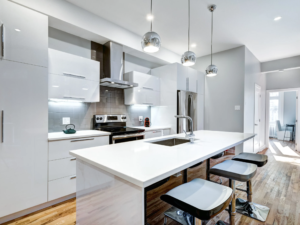
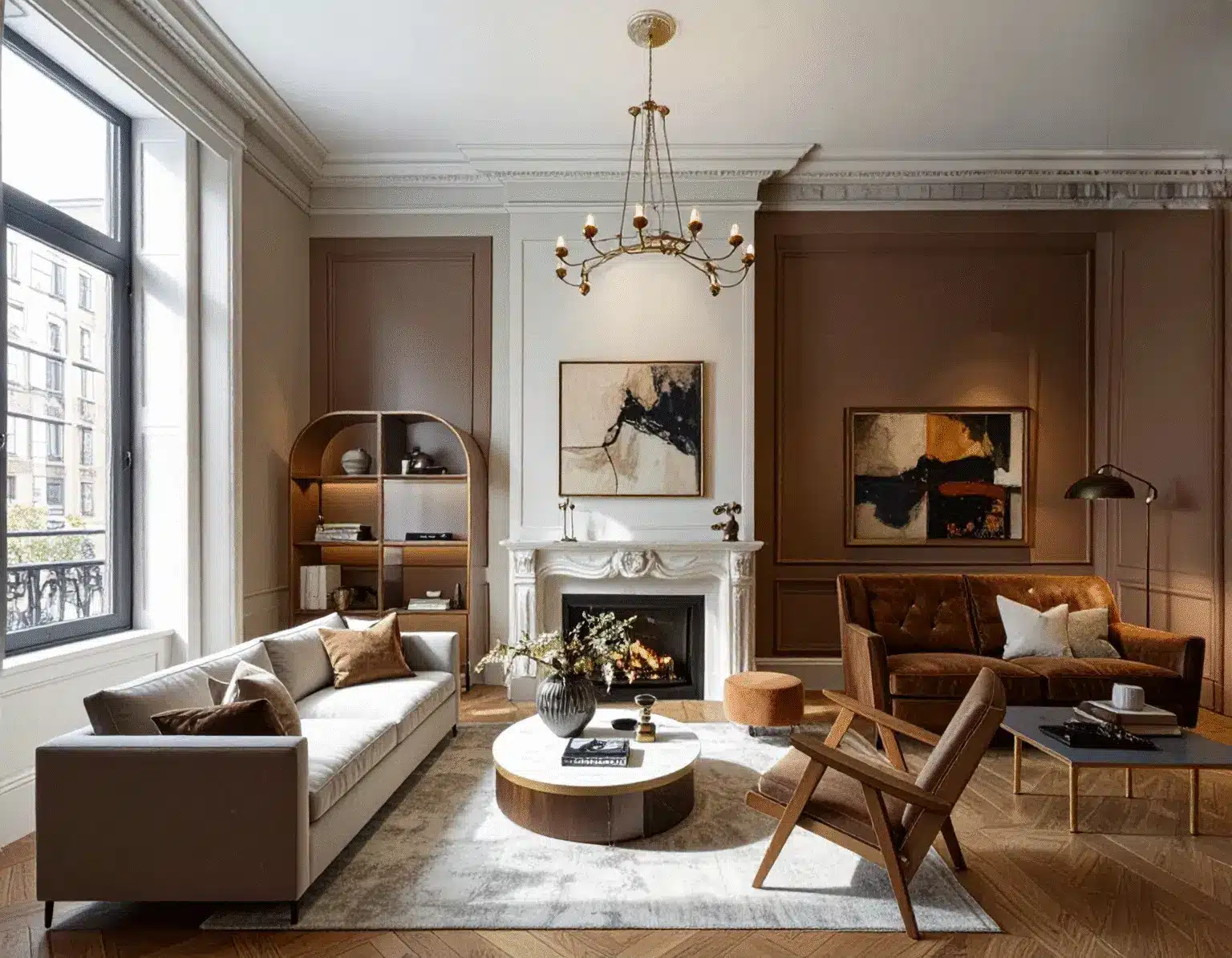
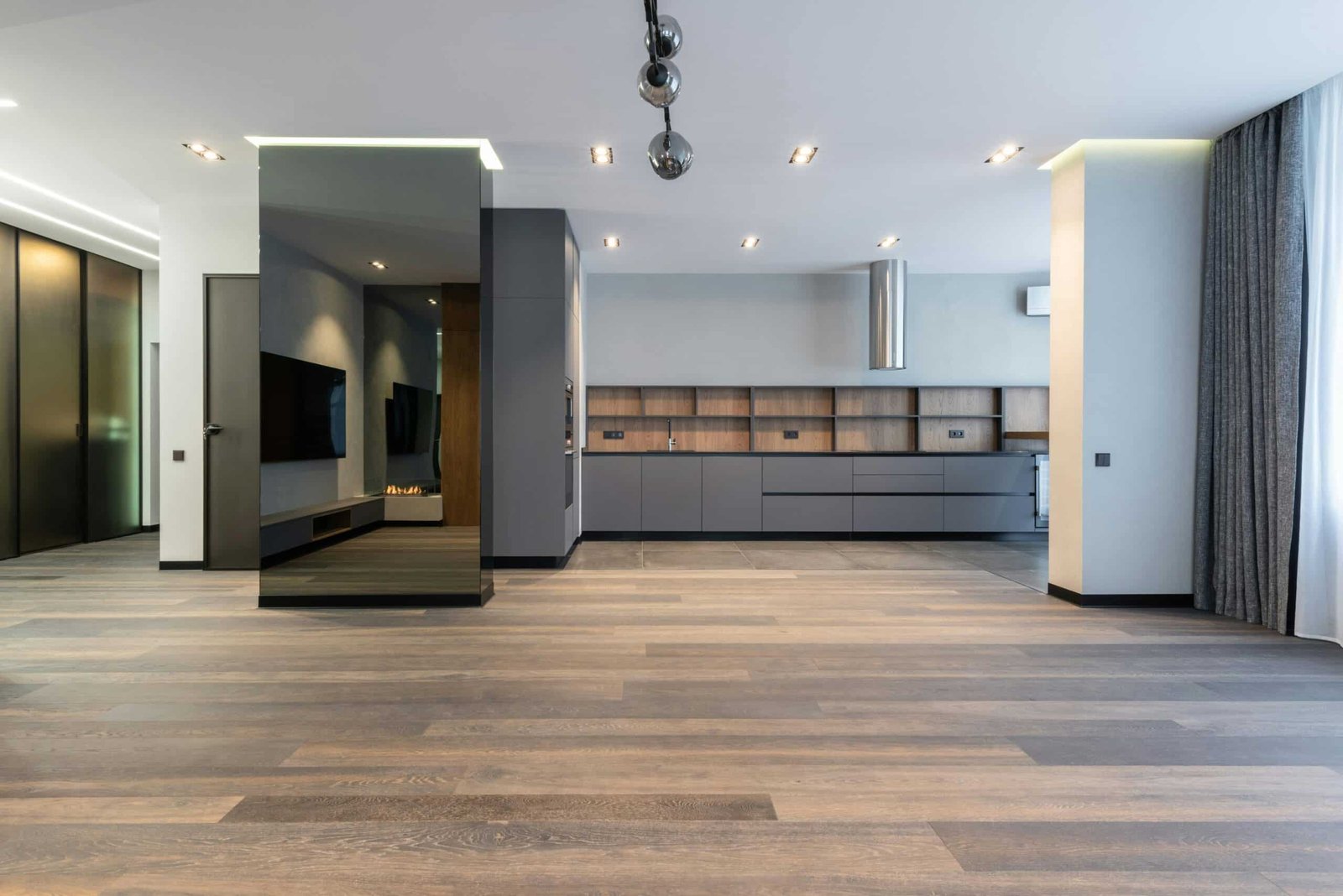
Open concept layouts reduce barriers between main living areas. That usually means the kitchen, dining, and living room share one connected space with fewer walls and fewer doors. Traditional layouts keep rooms separated. You may still have great flow, but each space has a clear boundary: a kitchen is a kitchen, a living room is a living room, and bedrooms are more isolated from activity. In Manhattan apartments, “open concept” often means partial openness rather than a full teardown. Many homeowners choose a hybrid approach: widening doorways, adding pass-throughs, or removing only non-structural sections to get more light without losing all separation. If you read nothing else, read this: open concept increases flexibility and light, while traditional layouts increase control and comfort. Your lifestyle decides which matters more.What Google Results Usually Miss: “Open” Is Not a Single Design
A lot of articles treat the open concept as one thing. In real remodels, there are multiple versions: Fully Open Concept: This is the “kitchen + dining + living” all in one space with minimal partitions. It feels expansive, but it requires strong design planning because everything is visible from everywhere. Semi-Open (The Manhattan Favorite): This might include: a widened kitchen entry, a partial wall, a peninsula or island that creates separation, glass partitions or sliding doors. You get more light and flow without turning your entire home into one shared room. Traditional with Better Flow: You keep the rooms, but improve circulation: larger doorways, better sightlines, improved lighting and finishes, smarter furniture placement. This is often the best option when structural changes are limited by building rules.The Real Benefits of an Open Concept Layout (When It Works)
Open concept is not just trendy. In the right home, it solves real problems. It Makes Small Spaces Feel Larger: In many Manhattan, NY apartments, square footage is limited. Removing visual barriers can make the space feel significantly bigger, even if the floor plan stays the same. It Improves Day-to-Day Connection: If you cook while talking with family or guests, an open layout makes life easier. You are not isolated in a closed kitchen while everyone else is in another room. It Can Increase Natural Light: Light from windows can travel further when there are fewer walls blocking it. This can be a big win in apartments where only certain rooms have strong window exposure. Did You Know? In many homes, the “brightness” you feel is not just about window size. It is also about how far daylight can travel before it hits a wall. Opening sightlines can make a home feel brighter without adding a single new window.The Real Downsides of Open Concept (That People Feel After Moving In)
An open concept can be amazing, but it comes with trade-offs that are easy to underestimate. Noise Travels Everywhere: If someone is on a work call, someone is watching TV, and someone is cooking, it is all happening in the same sound zone. In a smaller apartment, this can feel overwhelming fast. You Lose Wall Space (Which Means You Lose Storage): Walls are useful. They hold cabinets, shelves, art, and furniture placement options. When you remove them, you may gain openness but lose places to put things. Cooking Smells and Visual Clutter Are More Noticeable: In an open concept home, the kitchen is always “on display.” If you do not have strong ventilation and a storage plan, the space can feel messy even when it is not. It Can Require More Intentional Design: Traditional rooms can hide imperfections. Open concept spaces require cohesive finishes, consistent flooring, and a stronger plan for lighting because everything connects visually.The Benefits of Traditional Layouts (Why They Still Win for Many Homes)
Traditional layouts are not outdated. They are practical. Better Privacy and Better Boundaries: If you work from home, have kids, or share a space with roommates, separation can be a quality-of-life upgrade. A closed door is sometimes the best design feature. Easier to Keep Tidy (Because Mess Is Contained): A traditional kitchen can be a little messy, while the living room still feels calm. In an open concept, everything is visible, which can create constant pressure to keep the whole space “show-ready.” More Storage and More Furniture Options: More walls often mean: more cabinets, more shelving, more defined furniture placement, more room-specific lighting. This matters a lot in Manhattan apartments, where storage is always a challenge. Fun Fact: Some of the most “luxury-feeling” homes are not fully open. They use separation to create a sense of arrival: entry → living space → dining → kitchen. That progression can feel elevated and intentional.The Renovation Reality in Manhattan, NY: What You Can (and Cannot) Change
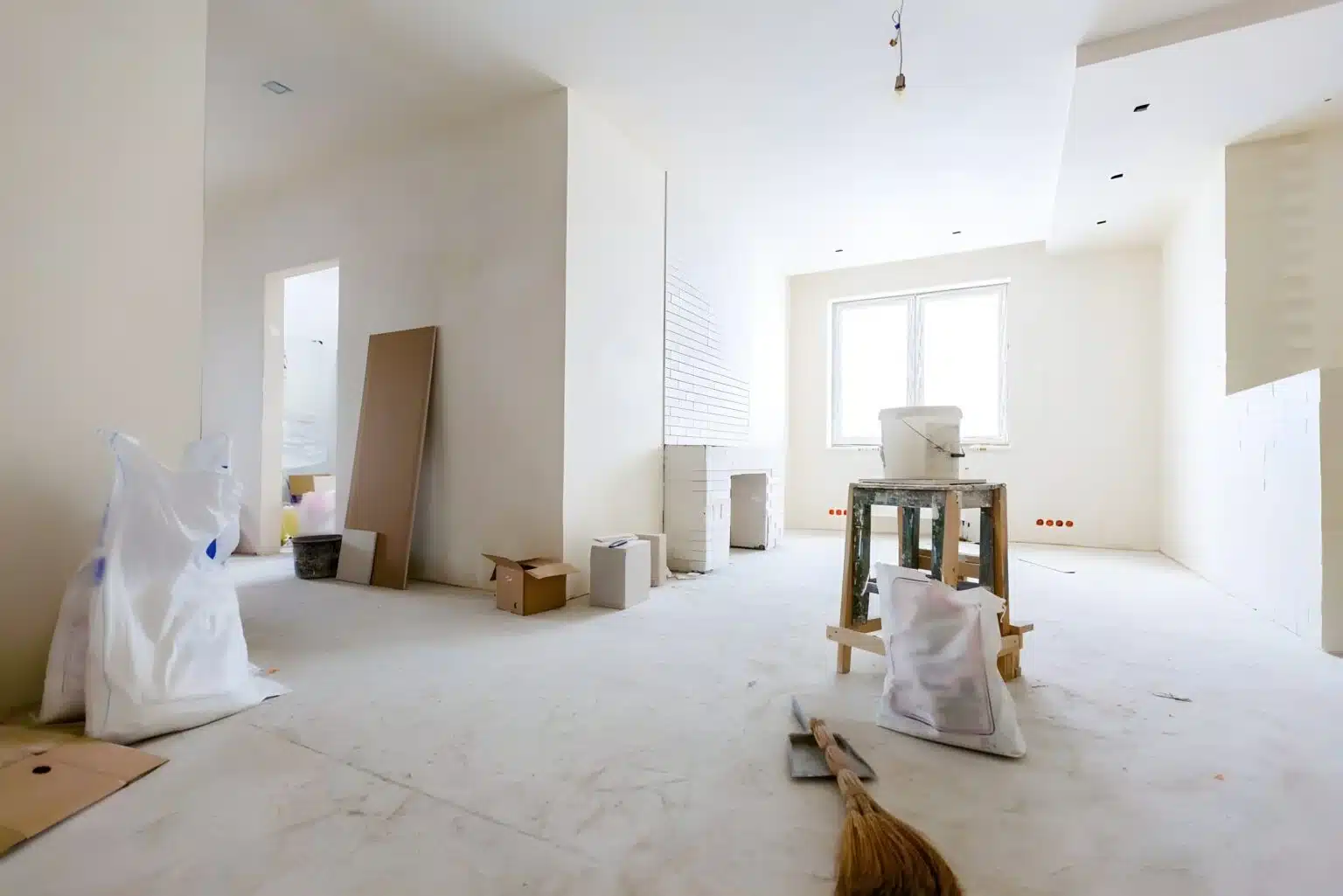
Even if you love the idea of an open concept, your building may determine what is possible. Structural vs Non-Structural Walls: Removing a non-structural wall is usually simpler. Removing a structural wall can require: engineering review, permits, specific construction methods (like beams or columns), more approvals and inspections. Co-op and Condo Board Approvals: Many Manhattan buildings require renovation packages, insurance documentation, and approval timelines. That can affect not only what you do, but how you do it and when you can start. Mechanical and Ventilation Constraints: An open customized kitchen space often needs better ventilation. If your building has limitations on ducting or hood venting, you may need a different plan (or a semi-open approach).How to Decide: A Practical Checklist (Not Just “What Looks Better”)
Choose Open Concept If:- You entertain often and want guests in the same space as the kitchen
- You want more natural light and better sightlines
- You prefer a modern, connected feel
- You are comfortable with less privacy and more shared noise
- You have a plan for storage and clutter control
- You work from home and need quiet zones
- You value privacy and closed doors
- You want more wall space for storage and furniture placement
- You prefer rooms with distinct purposes
- You want cooking smells and kitchen mess contained